


Understanding Freeze-Thaw Cycles: Why Texas Roofs Crack in Winter

Winter in Texas may not bring heavy snow, but sudden temperature drops can cause major problems for roofing systems. Even mild freezes can lead to roof cracks, leaks, and long-term damage because of freeze-thaw cycles.
At Shield & Shelter Roofing, we help Texas homeowners understand what causes this damage and how to prevent costly repairs during winter.
What Is a Freeze-Thaw Cycle?
A freeze-thaw cycle happens when moisture enters small gaps in roofing materials and then freezes. When water freezes, it expands and pushes those gaps wider. When temperatures rise again, the ice melts and lets even more moisture in.
In Texas, temperatures can freeze at night and warm up during the afternoon, causing several freeze-thaw cycles in just a day or two.
Why Texas Roofs Are Especially Vulnerable
1. Large temperature swings
Texas can drop 30 to 40 degrees in a few hours. This constant freezing and warming speeds up shingle cracking and material breakdown.
2. Older roofs are not built for repeated freezing
Many older roofs in Central Texas become brittle and crack faster when exposed to multiple freeze-thaw cycles.
3. Past hail damage weakens shingles
Even small hail bruises create entry points for moisture. Freeze-thaw cycles make those damaged spots worse and can lead to leaks.
4. Poor attic ventilation
If the attic cannot release heat, shingles warm and thaw unevenly. This increases stress on the roof and encourages cracking.
Common Signs of Freeze-Thaw Damage
Homeowners should watch for:
Cracked or split shingles
Granule loss, especially along edges or valleys
Curling or lifted shingles
Exposed fiberglass mats
Leaks after a cold front
Moisture marks on ceilings or high walls
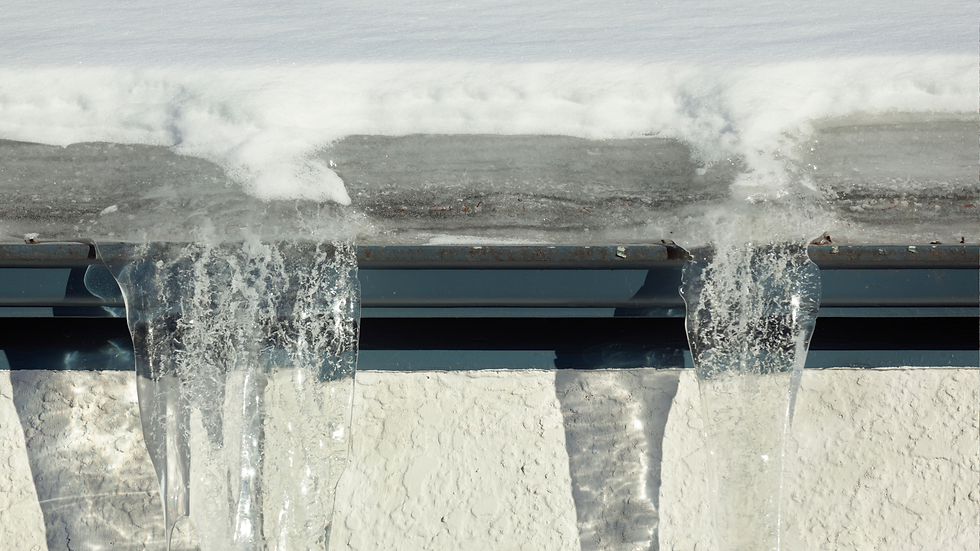
Ice buildup on gutters or eaves
If you notice any of these issues after a freeze, your roof may already have expansion-related damage.
How Freeze-Thaw Cycles Lead to Bigger Problems
1. Shingle cracks turn into leaks
Cracks allow melting water to enter the decking, leading to rot and interior water damage.
2. Nails loosen
Cold temperatures cause materials to contract, which can make nails back out and allow more water intrusion.
3. Gaps form around penetrations
Areas like vents, chimneys, and skylights expand differently, making them common failure points during freeze-thaw cycles.
4. Premature roof failure
Damage that goes unnoticed can shorten a roof’s lifespan by several years.
How to Protect Your Roof This Winter
Schedule an inspection after the first freeze
We inspect for cracks, bruises, granule loss, ventilation issues, and moisture penetration that cannot be seen from the ground.
Improve attic ventilation
Good airflow reduces uneven thawing and stress on shingles.
Fix small problems quickly
One cracked shingle in December can turn into a major leak in January.
Upgrade shingles when possible
Impact-resistant shingles (Class 3 or Class 4) hold up much better against freeze-thaw cycles.
When to Call a Professional
Early detection makes repairs simple. Waiting until water reaches the interior can significantly increase repair costs.
If you live in Stephenville, Granbury, Tolar, Dublin, Hico, Glen Rose, Weatherford, Comanche, or anywhere in Central Texas, Shield & Shelter Roofing can inspect, document, and repair freeze-thaw damage. If the damage is related to hail or wind, we can also help walk you through the insurance process and get your insurance to pay you to upgrade your home!
Contact Us
Now is the ideal time to schedule a winter roof inspection.
📞 Call Shield & Shelter Roofing: 254-300-8728
🌐 Visit: Contact Us | Shield & Shelter Roofing
➡️ Schedule your free winter damage inspection today.



Comments