


Local Spotlight: Winter Roof-Inspection Checklist for Stephenville Texas Homeowners

Winters in Stephenville, TX may not look like Colorado, but they can still be hard on your roof. Cold snaps, freezing rain, strong north winds, and big temperature swings all put extra stress on shingles, flashing, and gutters. Small issues that started during spring or summer storms can turn into leaks, condensation, or interior damage once winter hits.
The good news? A simple winter roof inspection checklist can help you catch problems early—before they become expensive repairs.
Below is a Stephenville-focused winter roof-inspection checklist you can use at home, plus a few items that are best left to a professional.
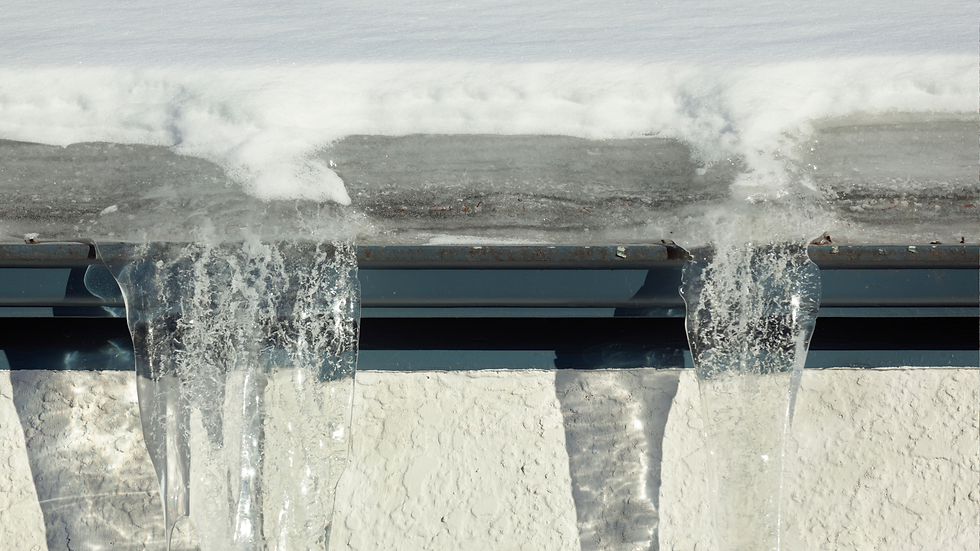
⚠️ Safety first: Don’t climb on a steep or icy roof. Most of this checklist can be done from the ground, a safe ladder, or from inside the attic. When in doubt, call a pro.
1. Start from the Street: Roofline & Overall Shape
Step back where you can see the whole roof.
Ask yourself:
Does the roofline look straight, or do you see any dips or sagging?
Are there areas that look wavy, buckled, or sunken?
Do you see any shingles that appear darker, more worn, or “bald” than others?
Why it matters in winter: Sagging or uneven areas can trap moisture, snow, or ice during cold snaps. That extra weight and water exposure can lead to leaks or structural problems.
2. Scan the Shingles: Missing, Cracked, or Curling
Use binoculars if you have them and check:
Missing shingles—especially along ridges, eaves, and around chimneys or vents
Shingles that look cracked, split, or curled at the edges
Shingles that seem to be lifting or not lying flat
Why it matters in winter: Cold air, freezing rain, and wind drive moisture into any weakness. A cracked or lifted shingle that was “fine” in summer can turn into a leak once winter storms roll through.
3. Check for Granule Loss and “Bald Spots”
Look at:
Downspouts and the ground where water drains
The inside of your gutters (if safely accessible)
If you see a lot of small, coarse granules (like rough sand), your shingles may be wearing out.
Also look on the roof for:
Dark or shiny spots where shingles look smooth or bald
Patches that differ in color from the rest of the roof
Why it matters in winter: Granules protect shingles from UV and weather. Once they’re gone, the asphalt underneath is more likely to crack, dry out, and fail during freeze–thaw cycles.
4. Gutters, Downspouts & Drainage
Walk around the house and check:
Are gutters clogged with leaves, twigs, or shingle granules?
Do you see sagging sections, loose spikes, or gutters pulling away from the fascia?
Do downspouts dump water right at the foundation, or do they carry it several feet away?
In Stephenville, those fall leaves + sudden winter rains + cold nights = perfect conditions for trouble if gutters are clogged.
Why it matters in winter: Clogged or sagging gutters can cause water to:
Back up under shingles at the roof edge
Soak and rot fascia boards
Pool around your foundation and freeze, causing expansion and movement
Clean, properly sloped gutters help keep water where it belongs—even when temps bounce around.
5. Flashing Around Chimneys, Walls & Roof Penetrations
From the ground (or a safe ladder), look for:
Metal flashing that looks bent, rusted, or out of place
Gaps where flashing meets brick, siding, or shingles
Missing or dried-out sealant around chimneys and wall intersections
Cracked or damaged pipe boots around plumbing vents
Key areas in Stephenville homes include:
Chimneys
Sidewalls where lower roofs meet taller walls
Roof valleys
Vents and pipe jacks
Why it matters in winter: Flashing is your roof’s armor in high-risk spots. When moisture freezes and thaws around loose or cracked flashing, it opens pathways straight into your attic or walls.
6. Inspect from the Inside: Attic & Ceilings
Head up into the attic on a cold day (ideally after a rain or freeze) with a flashlight.
Look for:
Dark stains or streaks on the underside of the roof deck
Frost, sweating, or dripping on nails or boards
Wet or matted insulation
Musty or “earthy” smells (a possible sign of mold or long-term moisture)
Inside the living space, check ceilings and upper walls for:
New or growing yellow/brown stains
Paint that’s bubbling or peeling
Soft spots or sagging drywall
Roof leak vs condensation:
If problems line up with rain events, it may be a true leak.
If they show up after cold snaps, you may have condensation/ventilation issues (especially if nails and boards in the attic are “sweating”).
Either way, it’s worth a professional look.
7. Ventilation Check: Is Your Attic Breathing?
Proper ventilation helps prevent:
Condensation during cold snaps
Excess heat in summer
Premature shingle aging
From the ground and attic, look for:
Soffit vents under the eaves—are they present and unblocked?
A ridge vent or roof vents near the peak
Insulation stuffed so tightly into the eaves that it blocks airflow
Why it matters in winter: Warm, humid indoor air that gets trapped in a cold attic will condense on the underside of your roof. Over time, this can mimic a leak and damage decking and insulation.
8. Make a “Fix Now vs Monitor” List
As you go through the checklist, jot down:
Fix Now:
Missing shingles
Cracked or failing pipe boots
Loose or damaged flashing
Clogged or sagging gutters
Active stains or dripping
Monitor / Discuss with a Pro:
Granule loss
Mild sagging areas
Suspected condensation issues
Ventilation questions (are intake and exhaust balanced?)
The goal of a winter inspection is not just to find problems, but to prioritize what needs immediate attention and what should be watched or upgraded when it’s time for a new roof.
When Stephenville Homeowners Should Call a Pro
DIY checks are great, but you should definitely call a professional if:
You see new or expanding stains on ceilings
You spot missing shingles, cracked flashing, or damaged pipe boots
Your attic shows signs of frost, mold, or persistent dampness
You’re not comfortable getting on a ladder or into the attic
Your roof is 15+ years old and hasn’t been inspected recently
A pro can safely:
Walk the roof
Inspect every penetration and valley
Check gutters and downspouts
Look for subtle hail or wind damage
Evaluate ventilation and attic conditions
Help you decide whether issues are maintenance, repair, or possibly insurance-claim worthy
Stephenville’s Local Winter Roof-Inspection Partner
If you’re a Stephenville homeowner and you’re not sure what your roof has been through after storms, cold snaps, and another Texas year, Shield & Shelter Roofing is here to help.
We offer:
Free winter roof inspections
Thorough attic and ventilation checks
Photos and clear explanations of anything we find
Help distinguishing roof leaks vs condensation and normal wear vs storm damage
Honest recommendations—repair, monitor, or replace
Upgrade options like impact-resistant shingles and synthetic underlayment when it’s time
Serving Stephenville Tx and the surrounding Central Texas towns, we don’t just fix roofs—we make them better than they were before.
📞 Call today to schedule your winter roof inspection in Stephenville: (254) 300-8728🌐 ShieldandShelterRoofing.com
Shield & Shelter Roofing — Local, family-owned, and here to protect what matters most.



Comments